Markus Huber Brings the Sizzle: Austria’s Traisental, One Vineyard at a Time
Some producers explain their wines. Markus Huber lights them up.
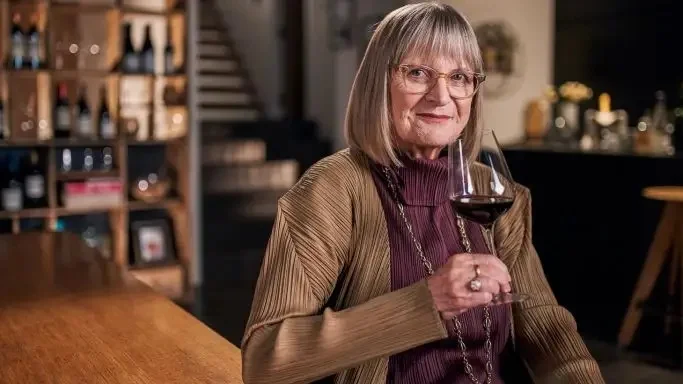
When Markus joined a recent Broadbent University session, the conversation quickly became much more than a refresher on Grüner Veltliner, Riesling, Pinot Noir, and Austria’s Traisental. It became a reminder of what makes great wine so compelling in the first place: place, personality, history, precision, and the unmistakable spark of someone who believes deeply in every vineyard, every bottle, and every detail.
For Markus, wine is not something that can be reduced to a formula. It has to be understood. It has to be tasted. It has to be connected back to the people, soils, and seasons that shape it.
A Family Estate with Deep Roots and Real Momentum
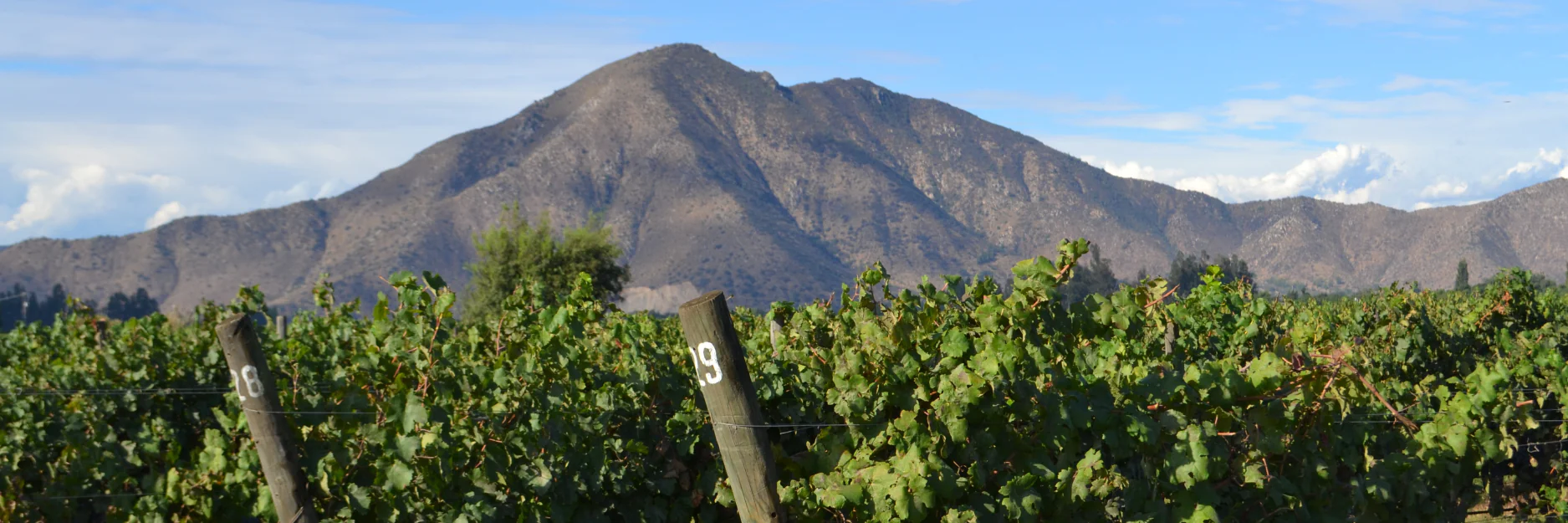
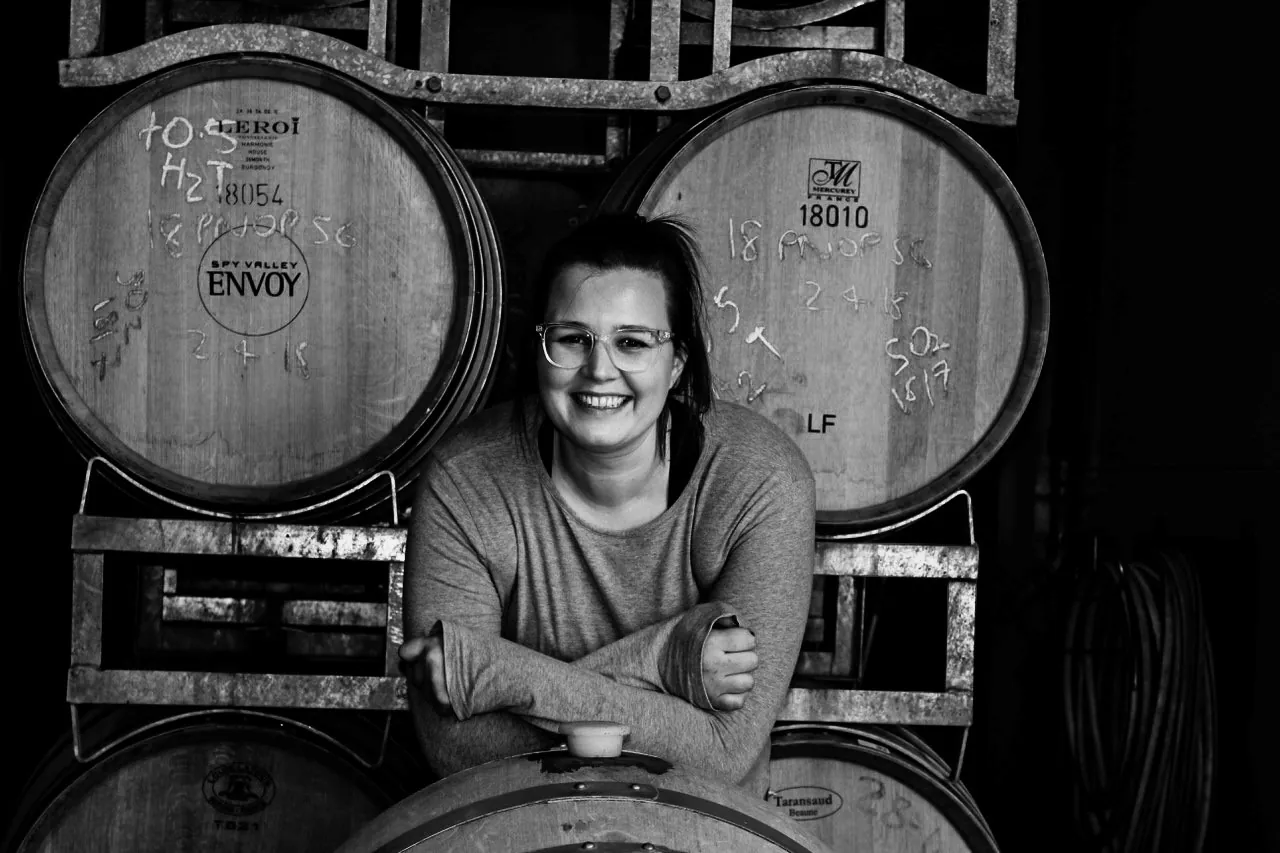
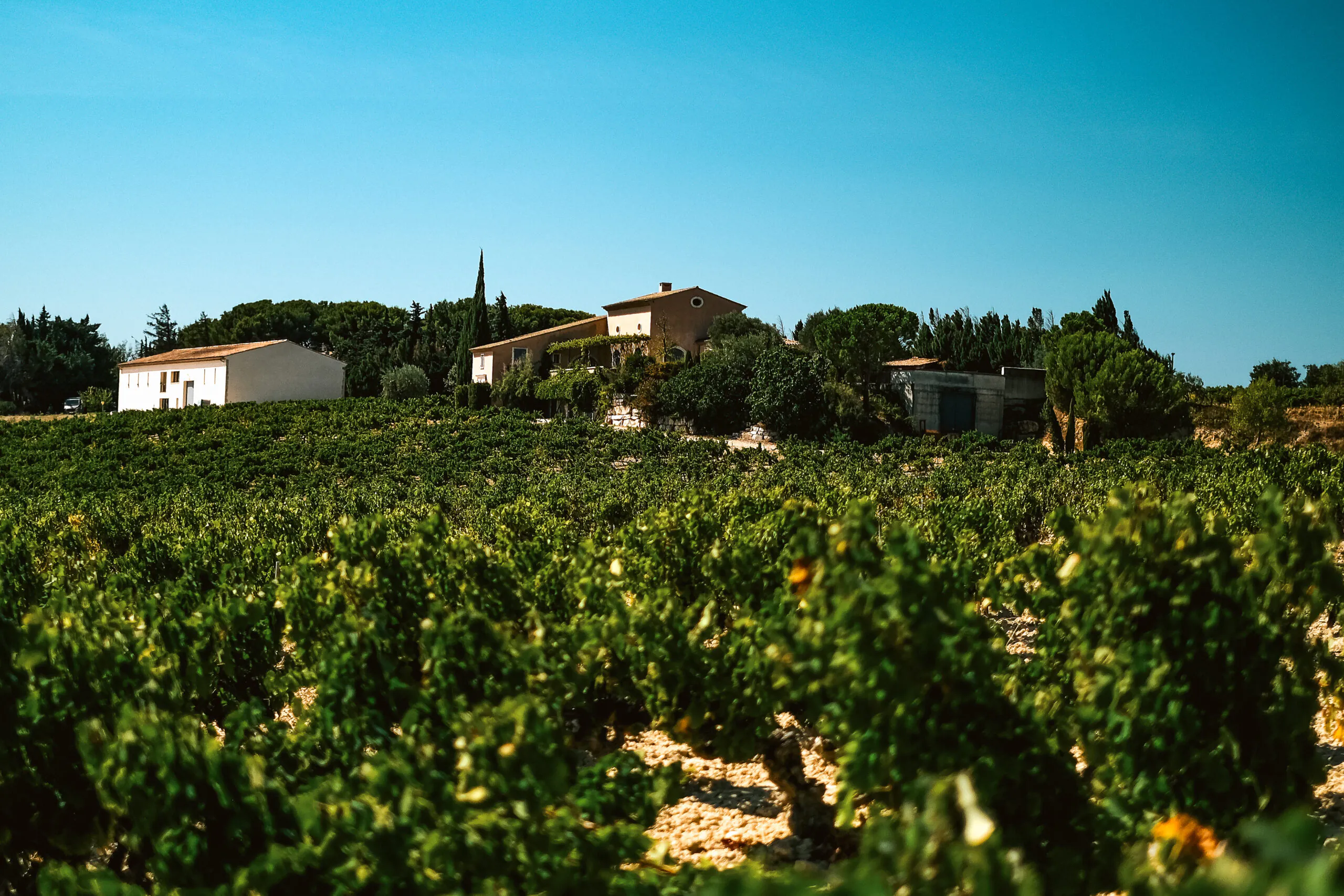
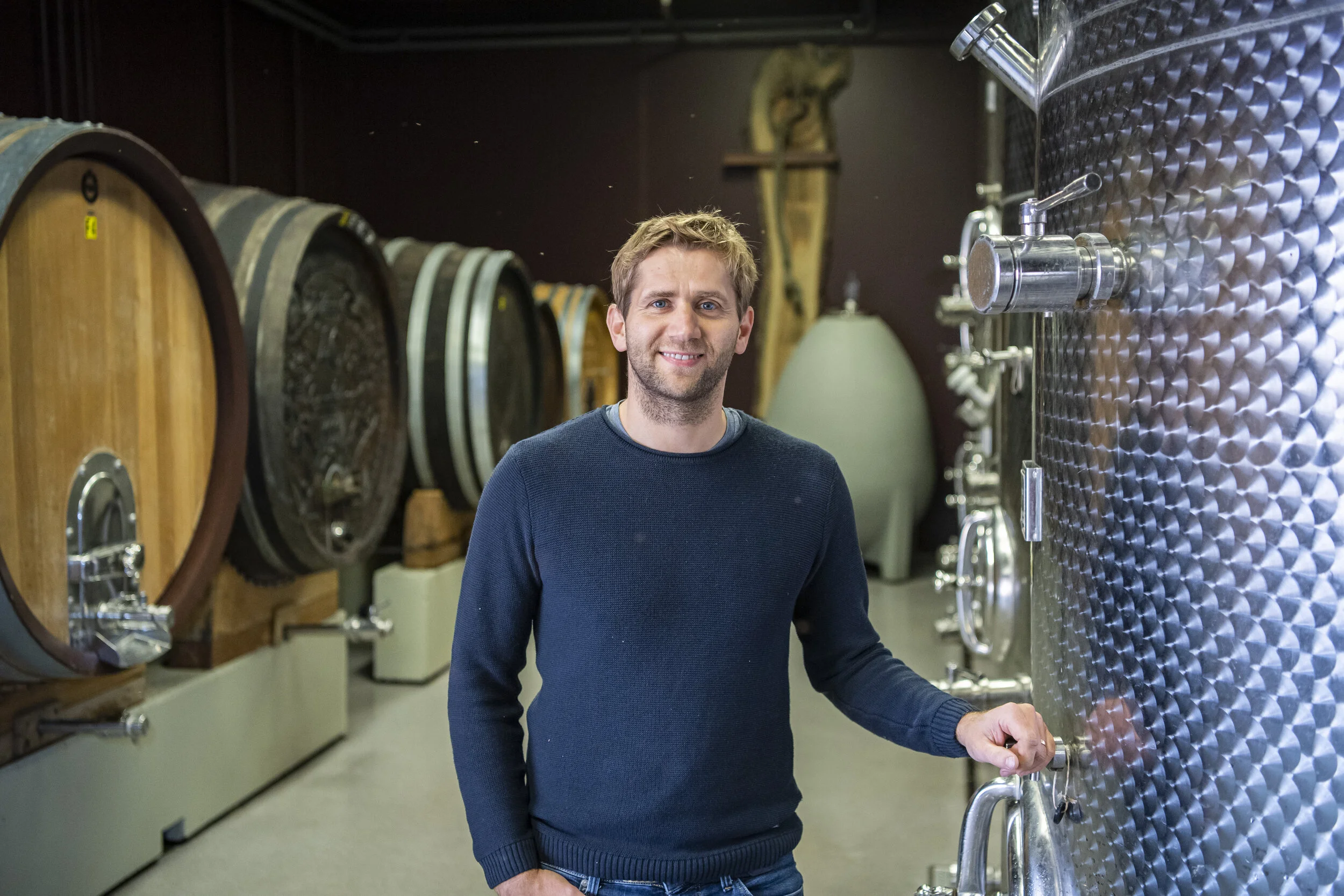
Weingut Markus Huber is based in Reichersdorf, in Austria’s Traisental, a small but deeply expressive region west of Vienna. The estate remains family-owned and hands-on, with Markus leading the winery and his brother Michael playing a vital role in the cellar and vineyards.
“We’re still family owned,” Markus said during the session. Even as the winery has grown, the essential character of the estate has stayed grounded in family, farming, and the daily work of making site-driven wines.
That sense of personal connection matters. As Josh Orr put it during the conversation, “There is a soul behind it, there’s a person behind it. It’s not a formula that’s crafted by some algorithm.”
It is hard to imagine a better way to describe Huber. These wines are precise and technically impressive, but they are never anonymous. They have fingerprints. They have pulse.
Why Traisental Crackles
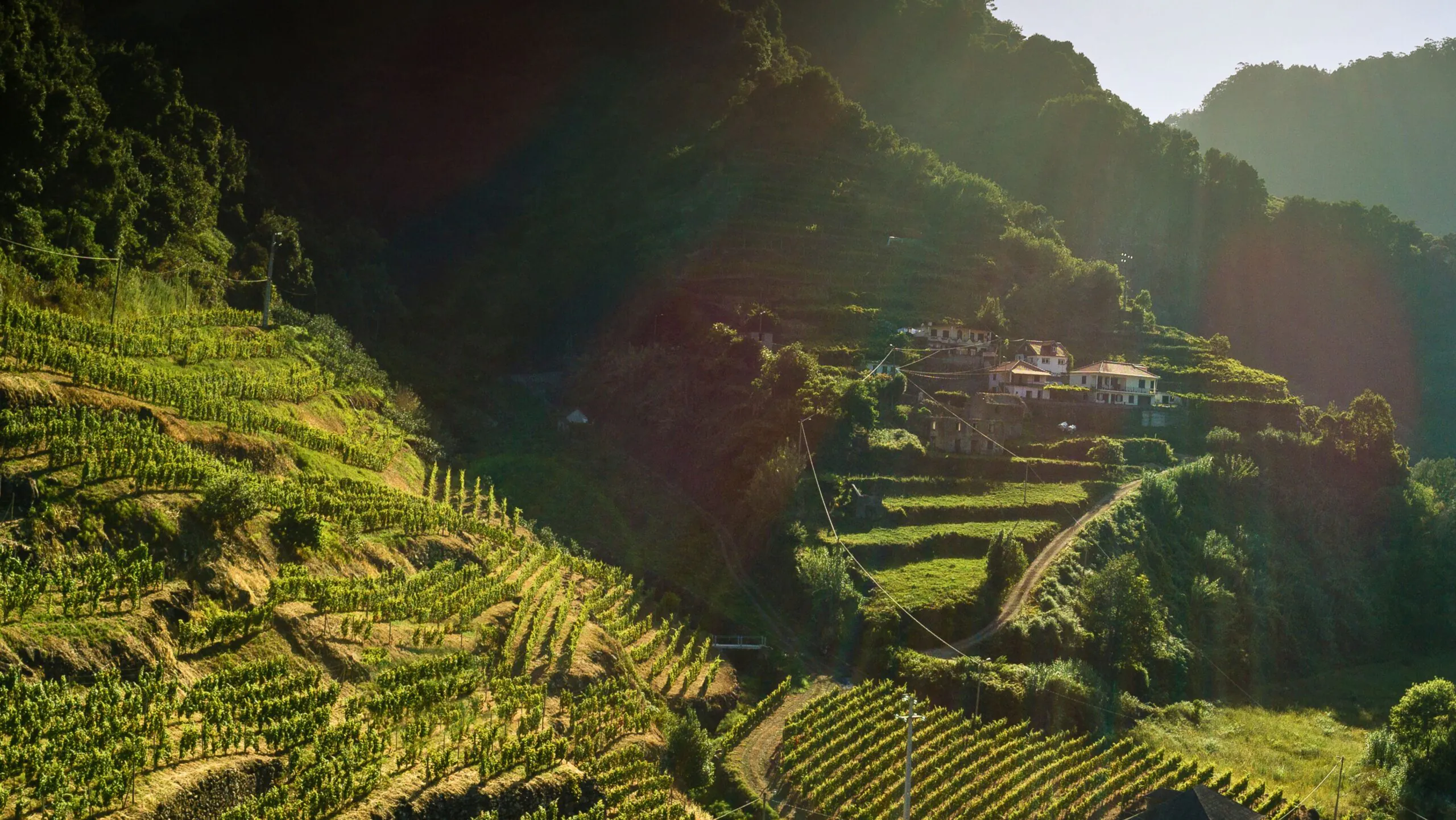
Traisental is Austria’s smallest DAC, but its wines carry serious energy. The region is known especially for Grüner Veltliner and Riesling, and Huber has become one of its defining voices. This is a landscape of limestone, conglomerate, loess, cool nights, and bright acidity — all of which give the wines their snap, structure, and mineral charge.
The geology is central to the story. Loess can bring generosity, texture, and spice to Grüner Veltliner. Limestone and conglomerate bring tension, lift, and a stony, mouthwatering edge. In the glass, that translates into wines that feel both vivid and composed: citrus, orchard fruit, white pepper, herbs, savory notes, and a clean mineral line that seems to hum beneath the surface.
The wines are defined by contrast: ripeness without heaviness, texture without excess, and a mineral austerity that gives them precision, energy, and lift.
This is the delicious geekiness of Huber. The wines are easy to enjoy, but the more you know, the more they reveal.
The Single-Vineyard Story
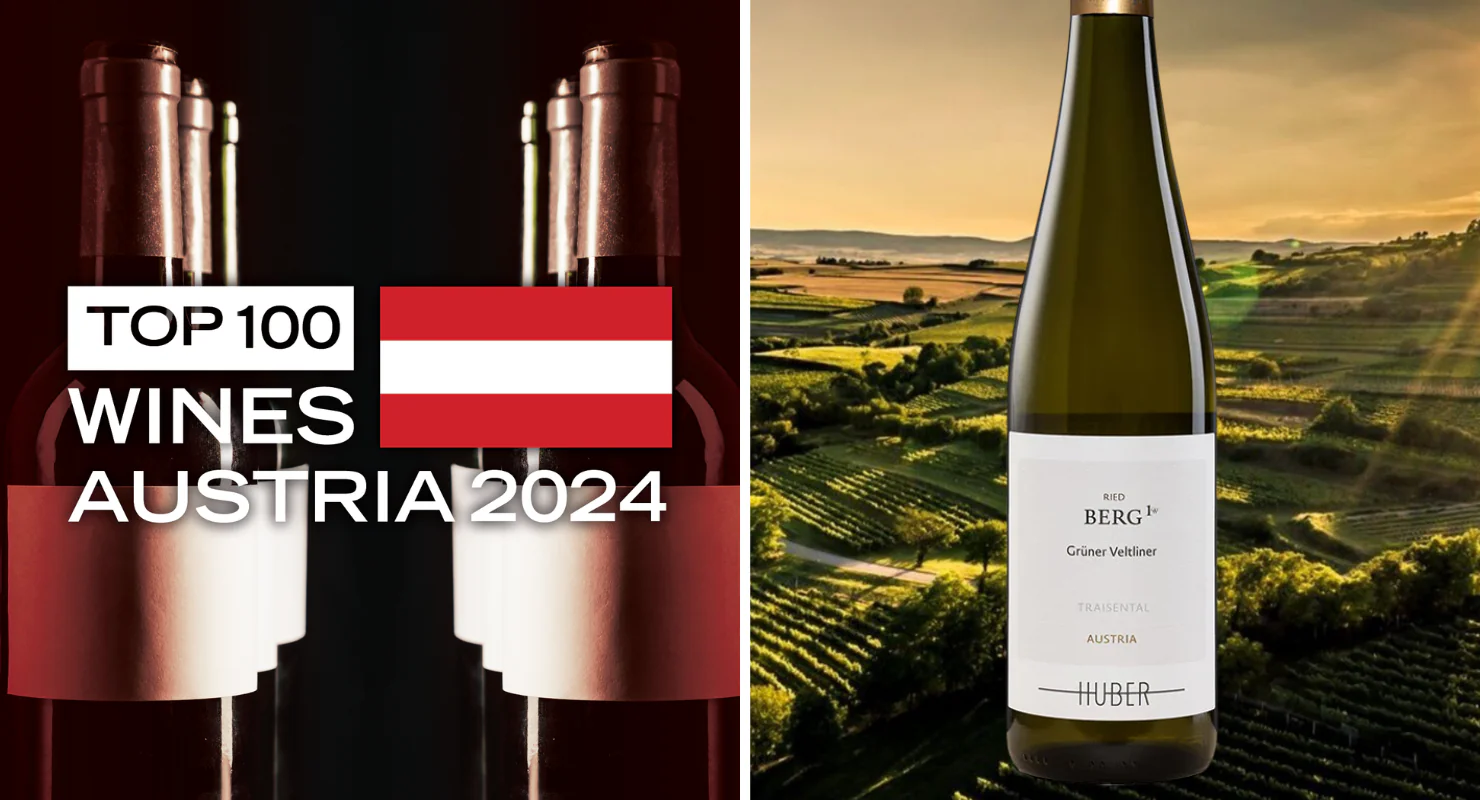
One of the most exciting parts of Markus’s session was the focus on single-vineyard wines. These are the bottlings that show the full range and seriousness of the estate — wines like Alte Setzen, Berg, Zwirch, and Rotenbart.
“Once you show them,” Markus said, “people, they like them, they buy them.”
The line is simple, but the truth behind it is important. These wines come alive with context. They are not just higher-tier bottlings; they are different windows into Traisental.
Alte Setzen shows Grüner Veltliner with depth, polish, spice, and mineral drive. Berg brings power, structure, and age-worthy tension. Rotenbart gives Riesling a vivid, stony platform, full of cool-climate electricity. Zwirch adds yet another expression of site, texture, and detail.
Each vineyard has its own voice. Each wine has its own architecture. And Markus clearly wants people to experience that range — not as a list of labels, but as a living map of place.
Grüner Veltliner with Snap, Spice, and Serious Texture
Huber’s Grüner Veltliners are a perfect entry point into the estate because they offer pleasure and precision in equal measure. They are bright, dry, and refreshing, but never simple. Even at the most approachable level, there is structure: citrus, green apple, white pepper, and a mineral finish that feels unmistakably Traisental.
At the single-vineyard level, the wines become more layered and tactile. Grüner Veltliner can show stone fruit, savory herbs, spice, leesy texture, and a firm mineral spine. The best examples feel almost architectural — built from acidity, soil, and texture rather than weight.
That balance is what makes Huber so compelling. The wines have enough generosity to be immediately delicious, but enough tension and detail to reward slow attention.
Riesling with Electricity
While Grüner Veltliner may be the headline grape of Traisental, Huber’s Rieslings are not supporting characters. They are electric.
The Rieslings carry the same cool, mineral signature as the Grüner Veltliners, but through a different lens: citrus peel, white peach, floral lift, wet stone, and a driving line of acidity. They are dry, focused, and full of movement.
There is nothing heavy-handed here. Huber’s Rieslings are about clarity, not excess. They show how Austria can produce Riesling with both aromatic beauty and razor-sharp structure — wines that feel crystalline, energetic, and built to evolve.
And Then There’s the Pinot Noir
One of the most animated moments of the session came when Katherine Camera jumped in to talk about Huber’s Pinot Noir.
“I want to say something about the Pinot Noir real quick,” she said. “It was the first time I tried the Pinot Noir and it was so elegant… like something you haven’t had before.”
That kind of reaction says a lot. Huber may be best known for Grüner Veltliner and Riesling, but the Pinot Noir adds a surprising and memorable spark to the portfolio. It is lifted, graceful, and distinctive — not trying to imitate Burgundy, not chasing richness, but offering a cool-climate Austrian expression with elegance and charm.
It is the kind of wine that reminds you how much fun it can be to be surprised.
Passion, Precision, and the Long Game
Markus’s excitement is not performative. It is rooted in work: farming, tasting, traveling, educating, and showing up. During the session, he spoke openly about the challenges of the current market, but his response was not to pull back. It was to lean in.
“I think now is the time,” he said.
That mindset runs through the wines. They are energetic but disciplined. Serious but full of life. Geeky but delicious. Markus can talk soil, site, cellar, and strategy in detail, but the point is never just information for information’s sake. The point is connection.
The wines make more sense when you understand where they come from. And once you understand where they come from, they become even more exciting to drink.
Wines with Soul
What makes Weingut Markus Huber so special is not just the quality of the wines, though that quality is clear. It is the combination of technical precision and human spark.
These are wines of limestone and loess, of cool nights and careful farming, of family and focus. They have structure, texture, and mineral drive. They also have personality.
Markus brings the sizzle. The vineyards bring the tension. The wines bring it all together.
And once they are in the glass, the message is unmistakable: there is soul behind them.