Understanding Pinotage: 100 Years of South African Expression
A Century of Heritage
2025 marks 100 years since Pinotage was first created — a uniquely South African crossing of Pinot Noir and Cinsault (then known as Hermitage). The intention was to combine the refinement of Pinot with the resilience and adaptability of Cinsault, suited to the Cape’s diverse and often challenging climates.
A century later, Pinotage has evolved from a domestic curiosity into a cornerstone of South African identity, producing wines of remarkable quality, range, and regional character. For trade professionals, understanding Pinotage means understanding the broader evolution of South African wine.
The Grape and Its Growing Conditions
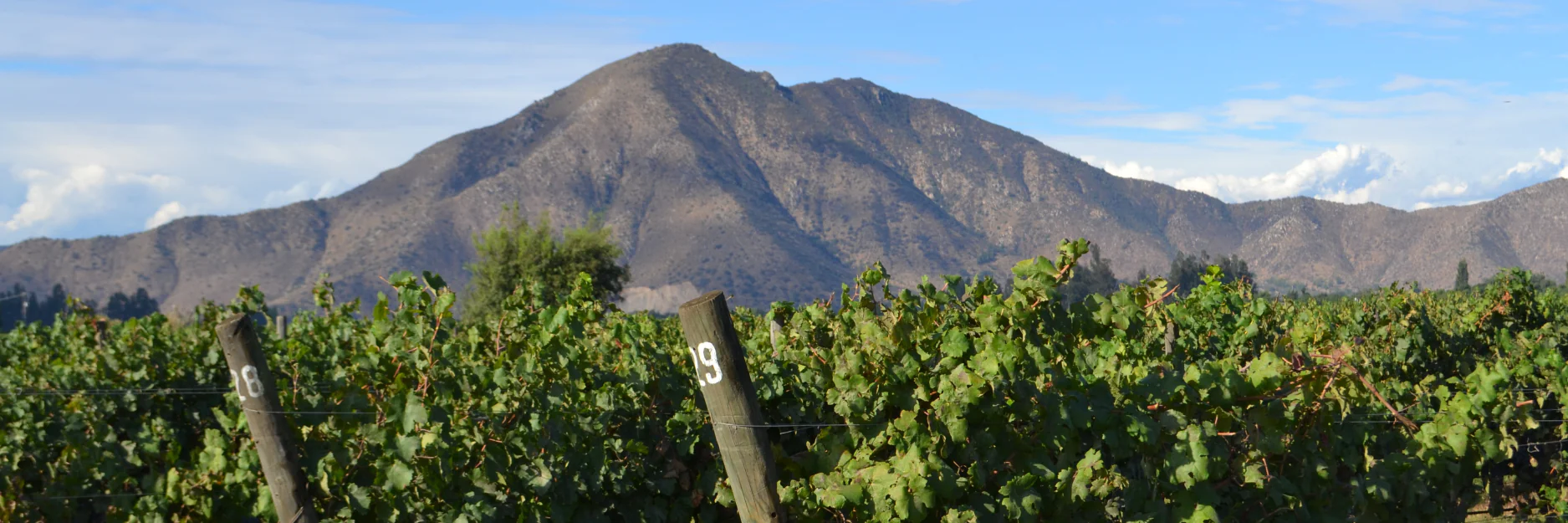
Pinotage thrives in Mediterranean climates with marked diurnal shifts — warm days balanced by cool nights that preserve acidity. The grape’s thick skins contribute to deep color and natural tannic structure, while its early ripening nature demands careful vineyard management to prevent over-concentration or harsh phenolics.
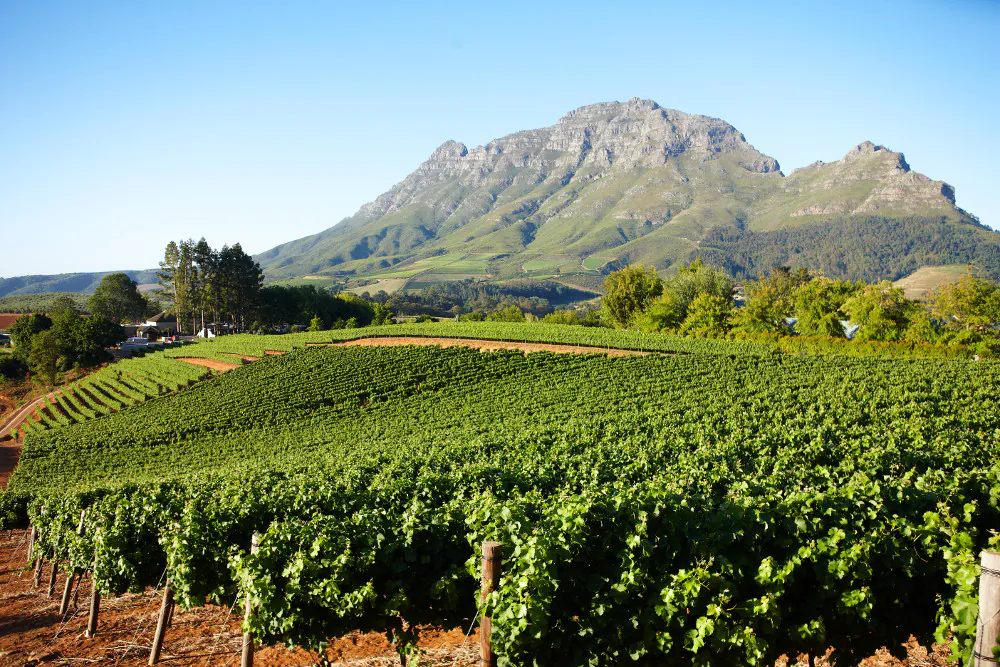
Regions such as Stellenbosch, Paarl, and Bot River each bring distinctive expressions:
- Stellenbosch offers structure and intensity, with dark fruit and spice.
- Bot River and Walker Bay highlight freshness, red fruit, and elegance through cooler maritime influences.
- Swartland and Darling provide texture and savory complexity from older bush vines and lower-yielding sites.
Modern Winemaking Approaches
Pinotage’s modern renaissance is rooted in sensitive, detail-oriented winemaking. Techniques have shifted dramatically from the heavily extracted, smoky styles of the past toward wines that express balance, fruit clarity, and terroir.
Common approaches among quality-focused producers include:
- Open-top fermentation in concrete or small tanks to promote gentle extraction.
- Use of ambient or mixed yeasts (often starting with non-Saccharomyces strains) for layered aromatics.
- Regular manual punch-downs to manage tannins and texture.
- Malolactic fermentation in tank, followed by maturation in French oak (typically 20–40% new) for 10–20 months.
- These methods aim to integrate Pinotage’s natural tannins while preserving vibrancy and fruit purity.
Modern Interpretations
Beeslaar Pinotage – Stellenbosch
Winemaker Abrie Beeslaar, often called the “King of Pinotage,” produces single-vineyard Pinotage from the Simonsberg area of Stellenbosch. Planted in shale soils at moderate elevation, these bush vines yield fruit of concentration and balance. Fermentation in open concrete vats with ambient yeast, followed by extended barrel aging, results in a wine that marries structure with elegance — a benchmark for the variety’s premium potential.
Beaumont “Jackal’s River” Pinotage – Bot River
In contrast, Sebastian Beaumont’s coastal vineyards in Bot River emphasize freshness and restraint. Grown on Bokkeveld Shale under maritime conditions, the fruit retains natural acidity and precision. Fermentation in open tanks with non-Saccharomyces yeast and 10 months in French oak yield a Pinotage of red-fruited finesse and fine tannin structure — a style that showcases the grape’s adaptability to cooler climates.
The Curator Reserve Pinotage – Swartland
To mark the 100th anniversary of the variety, The Curator introduces a new Reserve Pinotage, launching toward the end of 2025. Sourced from 25–30-year-old bush vines rooted in granite and shale soils, the wine channels Swartland’s raw, coastal energy. Native-yeast fermentation in stainless steel and gentle extraction through soft pump-overs preserve fruit integrity, while aging in a combination of French oak and steel adds polish without weight. The style is medium-bodied, juicy, and texturally refined — a modern interpretation designed to honor Pinotage’s centennial with approachability and authenticity.
Position in the Global Landscape
For wine professionals, Pinotage represents a fascinating study in regional evolution and identity. Its story parallels that of Malbec in Argentina or Carmenère in Chile — a once-local variety that has come to symbolize a nation’s winemaking maturity.
Understanding Pinotage also deepens perspective on South Africa’s dual identity: Old World heritage meeting New World innovation. The best examples demonstrate harmony between tradition, terroir, and modern craftsmanship.
For trade partners and educators, Pinotage offers a valuable conversation around:
- Clonal selection and vineyard adaptation over a century of cultivation.
- Shifts in stylistic direction — from rustic to refined.
- The role of altitude, aspect, and soil in defining style.
- Comparative tasting with Pinot Noir and Cinsault to illustrate its genetic lineage.
As Pinotage enters its second century, it stands as both a lesson in viticultural innovation and a living reflection of South Africa’s winemaking spirit. For educators, sommeliers, and buyers alike, it’s a reminder that South Africa’s flagship grape deserves a second look — and perhaps a permanent place in the conversation around the world’s great reds.