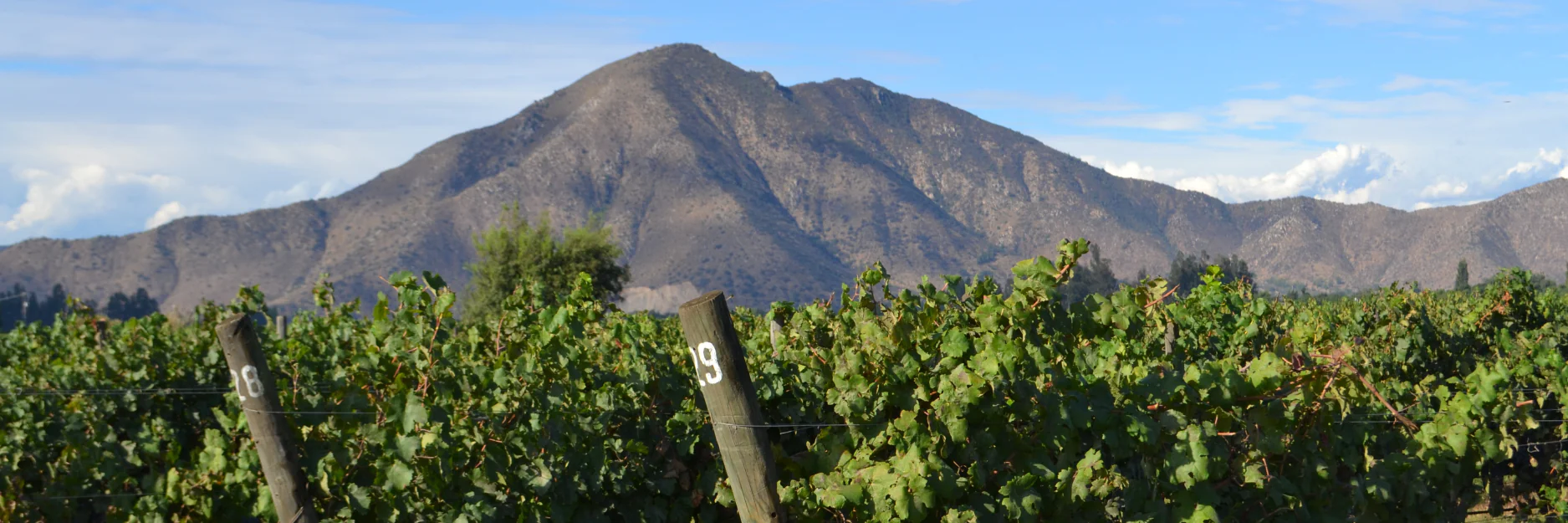
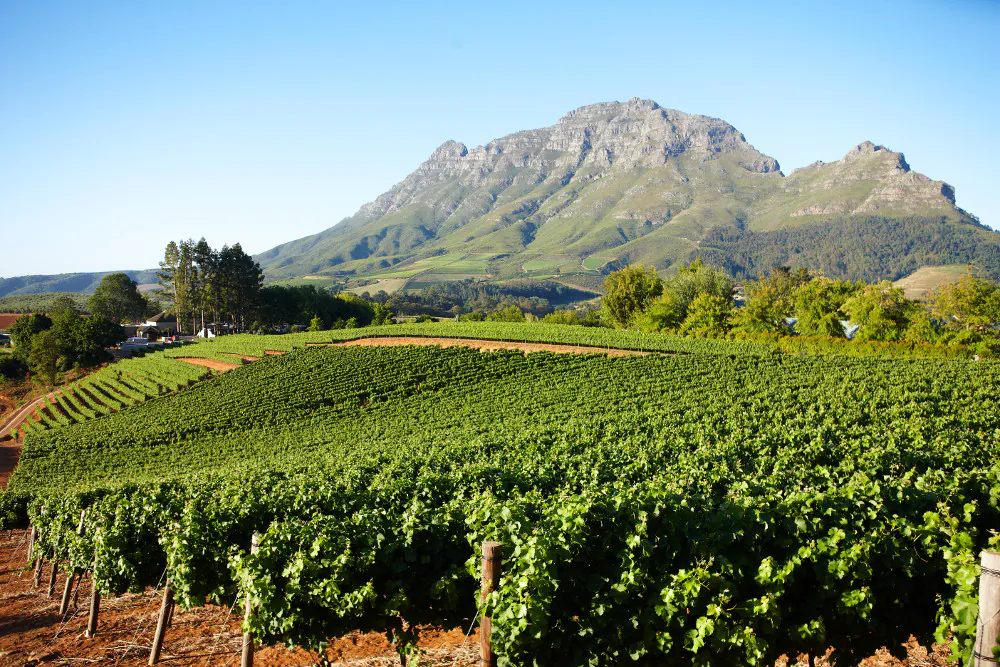
South Africa’s Cape South Coast is one of the most geologically and climatically complex winegrowing areas in the world. Cold ocean currents, relentless wind, and sharply differentiated soils combine to create wines defined by freshness, texture, and balance rather than sheer ripeness.
What follows is a detailed look at Bot River, Walker Bay (Hemel-en-Aarde), and Robertson, built directly from the insights shared by Josh Orr, Broadbent Selections’ Master Sommolier, with his own words woven throughout to explain why these places taste the way they do.
Oceans, Wind, and the Cape Doctor
South Africa’s viticulture begins with the ocean. The Cape is shaped by two major currents, but it is the cold Atlantic influence that matters most for wine.
Josh summed it up simply: “Distance from the ocean in South Africa is everything.”
The cold Benguela Current pulls frigid air inland, dramatically moderating temperatures even well away from the coastline. This cooling effect is amplified by the Cape Doctor, the strong southeast wind that defines much of the growing season. As Josh explained: “Wind is doing a lot of the work here – thicker skins, slower ripening, more phenolic development without sugars getting out of control.” The result is not a stylistic choice but a structural one: “These aren’t wines where freshness is added in the cellar. It’s built in from the vineyard.”
Bot River
Estuary Influence and Shale-Driven Shape
Bot River sits inland from Hermanus, within the Walker Bay district, yet behaves like a coastal zone due to a wide estuary that funnels cold air directly into the valley. Josh emphasized how deceptive maps can be: “You can move a few kilometers and completely change how a vineyard ripens.”
Soils and Structure
Bot River is dominated by shale, often mixed with clay. Rather than describing soils romantically, Josh framed them in functional terms: “Granite tends to give you lift and line. Shale gives you weight and shape.” That distinction shows clearly in Bot River wines, which favor savory structure and mid-palate density over overt aromatics.
Style Snapshot
- Moderate alcohol
- Savory, herbal profiles
- Textural Chenin Blanc
- Structured, restrained reds
- Key Producer: Beaumont
Beaumont anchors Bot River’s modern identity. Farming historic Compagnies Drift land with vineyards largely planted from the 1970s through the 1990s, the estate demonstrates what shale and maritime airflow can deliver.
Josh highlighted consistency over flash: “Old vines don’t automatically mean better wine—but they usually mean more consistent wine.” And on Bot River Chenin specifically: “These wines aren’t about fruit volume. They’re about structure.”
Walker Bay & Hemel-en-Aarde
Wind, Elevation, and Pinot Noir
Walker Bay is among South Africa’s coolest wine districts, shaped by constant onshore winds and fog influence. Within it lies the Hemel-en-Aarde system, divided into three wards with distinct identities.
Josh offered a practical framework: “Once you understand where it is, how close it is to the ocean, and what the soil is, the wine starts to make sense.”
Hemel-en-Aarde Valley
- Closest to the ocean
- Shale and clay
- Broader, spicier Pinot Noir
Upper Hemel-en-Aarde Valley
- Higher elevation
- Granite intrusions
- Leaner, more mineral wines
Hemel-en-Aarde Ridge
- Highest elevation
- Most wind-exposed
- Shale under stress
- Thicker skins and firmer tannins
Josh summarized it memorably:
“Valley is about width.”
“Upper is about tension.”
“Ridge is about grip.”
Key Producer: Storm Wines
Storm Wines is unique in farming vineyards across all three wards, producing single-site Pinot Noir expressions that clearly translate soil and elevation. On tasting them blind, Josh noted: “Paper bag it, pour it blind, and people will swear it’s Burgundy.” Not because of imitation, but because: “The structure lines up—the acidity, the tannin shape, the way the wine ages.”
Robertson
Limestone and the Chardonnay Exception
Robertson sits inland, where South Africa typically turns warm and red-wine focused. Without mitigating factors, it would resemble a hot, dry red-wine region. Josh was blunt about that reality: “Without the limestone and wind, this would be a Lodi-style dry red region.”
Instead, Robertson works for Chardonnay because of rare limestone outcrops, onshore wind corridors, and large diurnal swings.
Limestone contributes:
- Higher perceived acidity
- Chalky phenolic texture
- Linear palate shape
This combination allows freshness to survive in a warm macro-climate.
Key Producer: De Wetshof
Old Vines: Stability, Not Power
Across Bot River, Walker Bay, and Robertson, vine age plays a quiet but essential role.
Josh described it succinctly: “Old vines don’t panic.” Deep root systems and physiological balance allow vines to handle heat spikes and dry years without dramatic swings, leading to wines that remain composed vintage after vintage.
Why the Cape South Coast Matters
These regions matter because they challenge outdated ideas about South African wine. As Josh framed it: “If you just think ‘warm climate,’ you miss what’s actually happening here.”
Bot River, Walker Bay, and Robertson show how wind, ocean influence, and soil shape wines before winemaking ever begins. The result is a Cape South Coast defined not by power, but by precision, texture, and longevity—a clear signal of where South Africa’s most compelling wines are heading.